Give Us A Call

Back to Blog
How to Extend the Life of Your Septic System: Expert Tips
March 31, 2026
4 Ways to Help Extend the Life of Your Septic System
A septic system is a significant investment for any homeowner. While these systems are designed to last 25 to 30 years, neglect can lead to early failure, property damage, and thousands of dollars in repair costs. At Frederick Septic in Frederick, MD, we know preventative maintenance is the best way to protect your home and the local environment.
Consider these four expert-recommended tips to help maximize the lifespan of your septic system.
1. Maintain a Regular Pumping Schedule
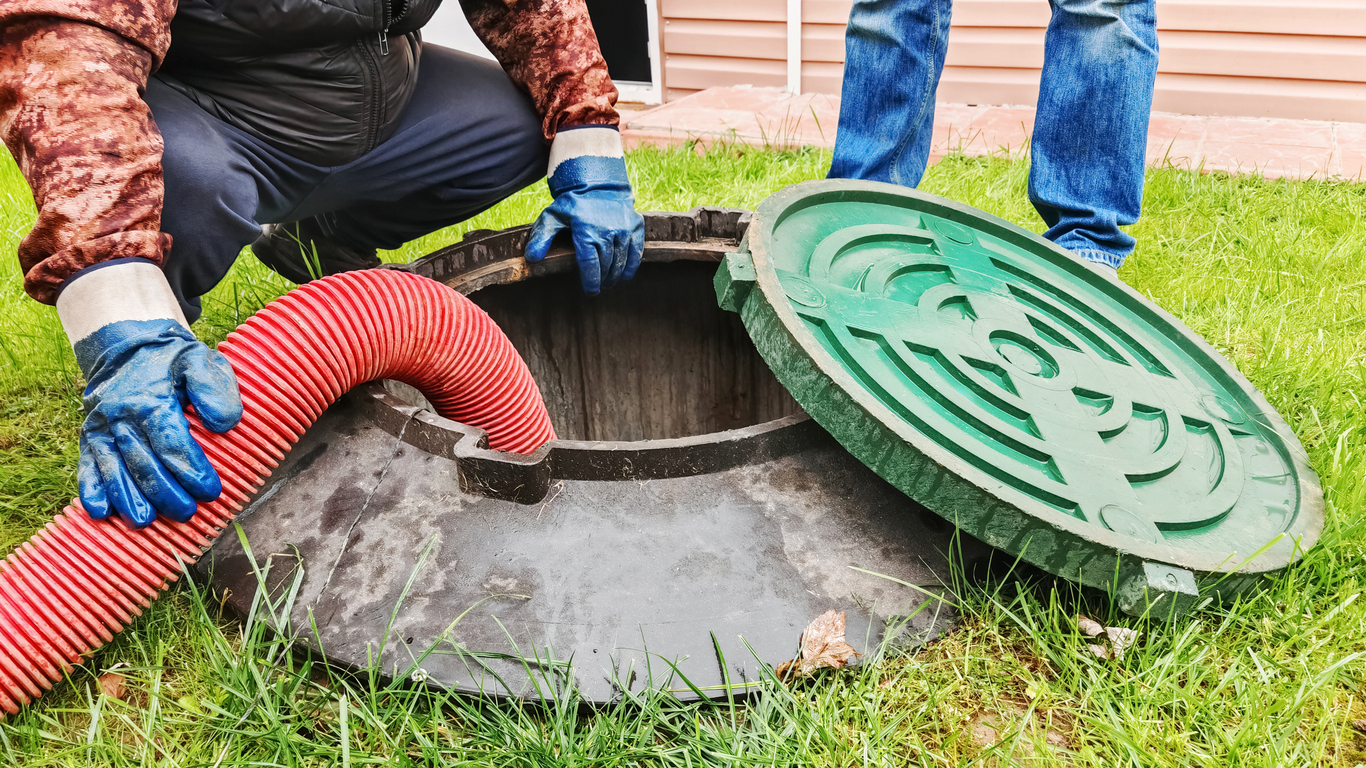
The most important maintenance task is having your tank professionally pumped. Over time, solids–also called sludge–accumulate at the bottom of the tank. If this layer becomes too deep, solids can run into the drain field, clogging the soil and causing your system to fail.
Frederick Septic Recommendation: Most households should pump their tank every 3 to 5 years. Factors such as household size and the amount of wastewater created can determine the exact frequency.
2. Practice Conserving Water
Your septic system has a maximum daily capacity. Flooding the system with too much water in a short amount of time can agitate solids and push them into the drain field before they settle.
Here are a couple of easy ways to conserve your water:
- Spread out Laundry: Avoid doing multiple loads on a single day. Instead, aim for 2 to 4 full loads per week.
- Fix any Leaks: A running toilet can add hundreds of gallons of unnecessary water to your tank each day. While fixing leaks immediately is a necessity, installing an eco-flush toilet is a great way to ensure long-term water savings and lower utility bills.
- High-Efficiency Fixtures: Upgrading to high-efficiency fixtures can help reduce your utility bills, especially considering that older toilets can use up to 7 gallons per flush and standard showers cycle through 20 gallons in just eight minutes.
3. Dispose of Waste Properly
Your septic tank relies on a balance of bacteria to break down organic matter. Introducing the wrong items can kill these bacteria or cause physical blockages.
Important matters to consider:
- Always Toss, Never Flush: Never flush wipes, feminine products, or paper towels.
- Remove Grease Properly: Allow the grease to cool, then pour it into a recyclable container–or for smaller amounts, wipe it up with a paper towel and throw it away in the garbage can.
- Limit Garbage Disposal Use: Disposals increase the volume of solids in your tank, which requires more frequent pumping. Instead, scrape all food scraps into the trash or a compost bin before rinsing your dishes.
4. Protect the Drain Field
This is where the final treatment of wastewater occurs. To keep it functioning smoothly:
- Limit Weight: Never drive or park over the tank or drain field. This can crush pipes and compact the soil.
- Direct the Runoff Away: Ensure your gutters and landscape drainage direct water away from the drain field.
- Check Your Gardening: Only allow grass to grow over a septic system. Roots from trees and shrubs can breach and damage septic lines.
Professional Septic Services in Frederick, MD
Routine inspections and maintenance are the only way to catch small issues before they become major problems or emergencies. Allow our trusted team of professionals to handle the dirty work for you. Frederick Septic provides reliable septic cleaning, installation, and repair services in Frederick County.
Contact Frederick Septic today to schedule your next service and ensure your system remains in top condition.
Recent News

How Does Winter Affect My Septic System?
December 30, 2025
How to Tell When Your Septic Tank Needs Cleaning
September 30, 2025
Septic Tank: Should You Repair or Replace?
June 11, 2025
How Long Does Septic Installation Take?
April 1, 2025
Five Tips for Preventing Septic Backups During Holiday Gatherings
December 24, 2024
Step-by-Step Guide to Maintaining Your Septic System
September 30, 2024